Pluto, We Hardly Knew Ye

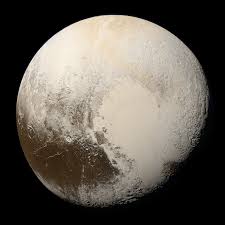
Science begins with discovery. The discovery of some new thing, insight, or question drags us forward into unknown territory, fraught with hurdles, obstacles, and more questions. But as we progress in these new lands of discovery, we will inevitably encounter objects once mysterious and unfamiliar. It is the duty then, of all scientists to understand, describe, and organize these new findings so that the scientists who follow us can build on our knowledge and drive us ever forward. Continue ReadingPluto, We Hardly Knew Ye

As Though No Other Name Ever Existed – Why We Call Them “Black Holes.”

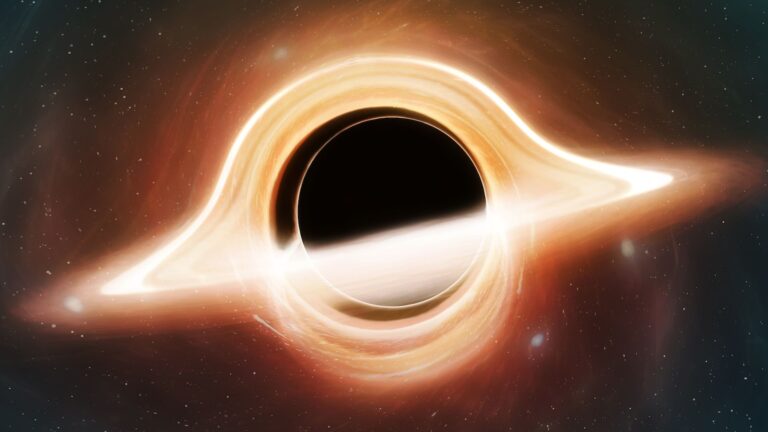
Given the breadth of information and depth of understanding that exists in popular culture about black holes, one could be forgiven if it is assumed that we understand nearly all there is to know about them. That is wrong, however. What is widely understood about black holes may fill an entire public library, but they are still an iceberg of mystery, of which we have only just scratched the surface. Continue ReadingAs Though No Other Name Ever Existed – Why We Call Them “Black Holes.”

Tycho Crater

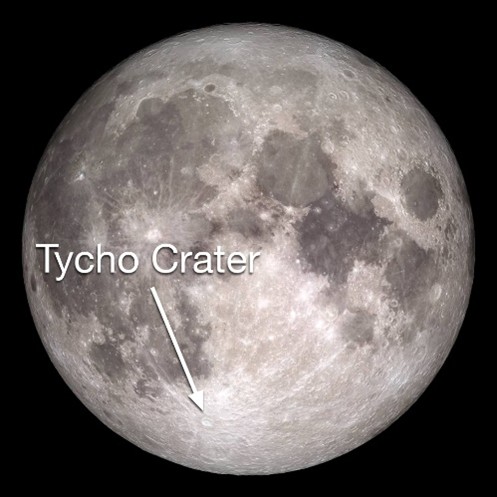
One of the brightest and most prominent features on the Lunar surface that is visible from a Terran perspective is Tycho Crater. Appearing on Lunar maps as early as the 17th century, and likely identified and gazed at for centuries before then, the crater is one of the most easily identifiable and clearly visible impact craters that humanity can study. Continue ReadingTycho Crater

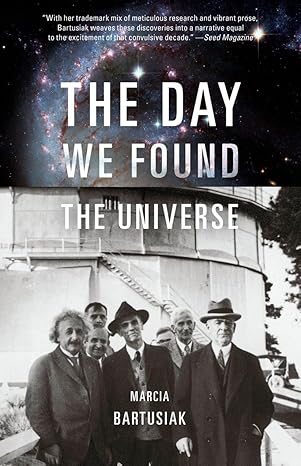
The Day We Found the Universe, A Review

One may be forgiven for thinking that the idea of science beginning with discovery shapes one’s perception of the history of astronomical study. I, myself, once propagated that very idea. Upon reading The Day We Found the Universe, however, it may be more pertinent to state that science first begins with theory. Theory drives research. Research yields discovery. Discovery leads to confirmation, and with that confirmation, what has been determined to be scientific becomes reality. So is that tale told through this work, and it’s expertly done. Continue ReadingThe Day We Found the Universe, A Review

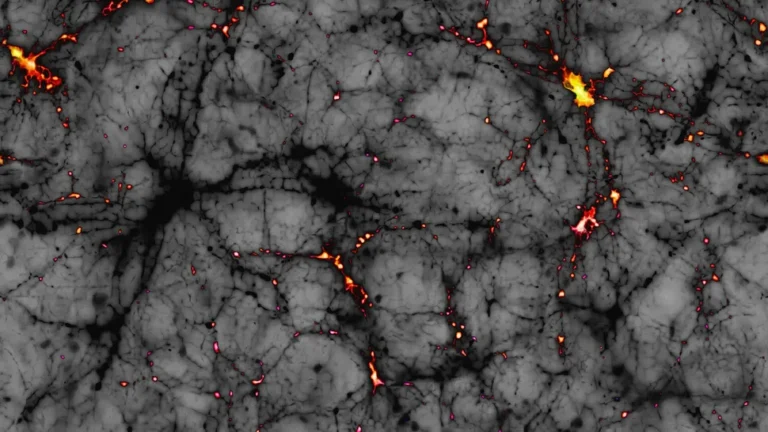
Dark Matter – The Invisible Hand of the Universe

The universe holds mysteries that have challenged humanity’s greatest scientists for centuries. However, the greatest challenge may be one that exists all around us already, but no one can see, hear, smell, taste, or touch! Dark matter gives weight and gravitational effects to galaxies across the universe, and while astronomers have been able to measure the effects it has on those galaxies, none have yet been able to define exactly what dark matter is. Continue ReadingDark Matter – The Invisible Hand of the Universe

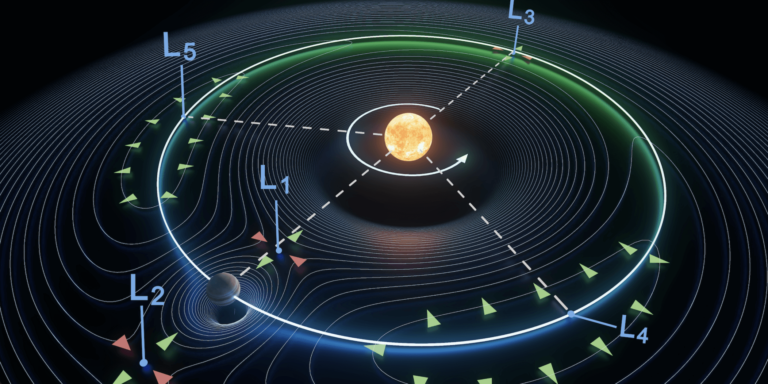
Lagrange Point Bodies of the Solar System

There are pockets of gravitational stability throughout the Solar System, where some bodies become trapped and maintain their positions for millions or even billions of years. These points of gravitational oasis are called Lagrange Points, and there are five at relative positions among any two bodies in orbit around the same mean point of gravity. Continue ReadingLagrange Point Bodies of the Solar System

Space Cadence: Orchestrating Fire Support in the Space Domain

High above the Earth’s atmosphere, a constellation of satellites orbit with purpose, their mission is synchronized with the needs of the ground forces below. These celestial sentinels are the eyes, ears, and voice of the Army’s Fire Support units, offering an unparalleled perspective of the battlefield. Continue ReadingSpace Cadence: Orchestrating Fire Support in the Space Domain

Space as a Gray Zone: The Future of Orbital Warfare

For as long as humans have waged war, controlling the high ground has meant controlling the fight. From ancient hilltop fortresses to the elevated positions that dictated victory in modern battles, elevation offered a point from which to project power and subdue adversaries. But what happens when the high ground isn’t a mountain or a ridge but an orbit thousands of miles above Earth? Continue ReadingSpace as a Gray Zone: The Future of Orbital Warfare