Comet R3 PanSTARRS at Perihelion

We’re one comet down, and one to go for spring season 2026. We recently wrote about prospects for sungrazer C/2026 A1 MAPS and comet C/2025 R3 Pan-STARRS in April 2026. While the bad news is, Comet A1 MAPS disintegrated like so many sungrazers before it during its blistering close perihelion passage on April 4th, comet R3 Pan-STARRS put on an amazing dawn showing for early rising astrophotographers.

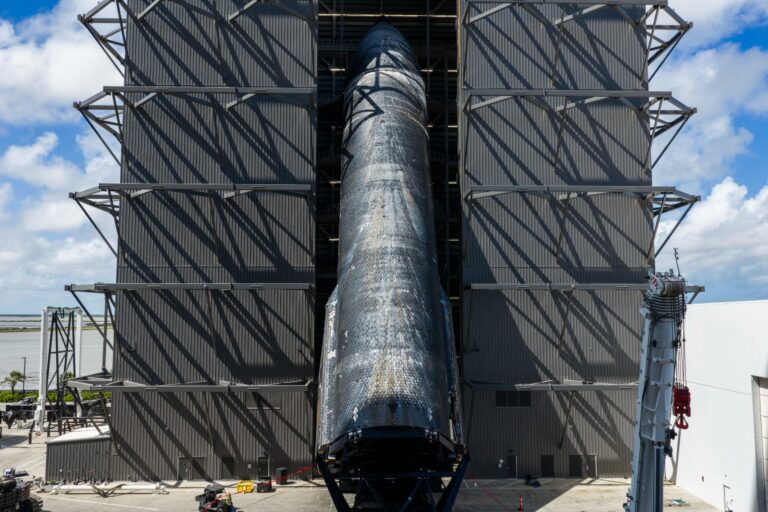
Rocket Report: Starship V3 test-fired; ESA’s tentative step toward crew launch

Welcome to Edition 8.37 of the Rocket Report! NASA is still climbing down from the high of the Artemis II mission, the first flight by humans to the Moon since 1972. What a mission it was! Now, attention turns to completing development of a lander to get astronauts down to the Moon’s surface. Among other things, we chronicle the latest progress of NASA’s two lunar lander contractors, SpaceX and Blue Origin, in this week’s Rocket Continue ReadingRocket Report: Starship V3 test-fired; ESA’s tentative step toward crew launch

To Survive Deep Space, Astronauts May Owe a Debt to Microscopic Worms

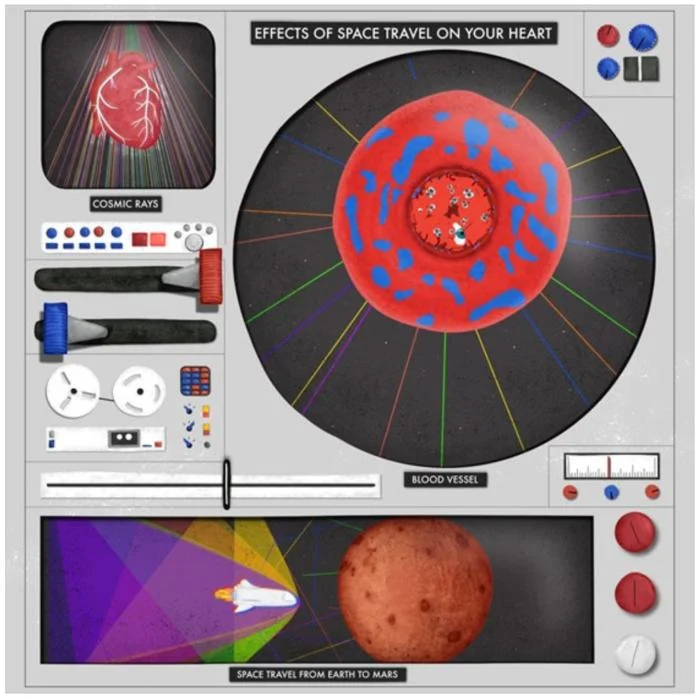
Living long-term on the Moon means surviving the devastating toll that deep space takes on a human body. Astronauts in low gravity environments suffer muscle and bone loss, vision-altering fluid shifts, and heavy radiation exposure – all of which are incredibly hazardous to our biology. So, to help future lunar explorers survive, a new crew just arrived at the International Space Station (ISS). That might not sound surprising, except this crew is composed of worms.

Human space research gets a boost from retired NASA centrifuge

Texas A&M University is preparing for a new era of space research with the launch of a research centrifuge at the Anthony Wood ’87 Artificial Gravity Lab. Set to become one of the most advanced human centrifuge facilities in the United States, the lab can simulate lunar and Martian gravity for extended periods of time, allowing researchers to test how changes in gravity affect the human body.

Watch This Dark Volcanic Ash Creep Across the Red Planet

Mars is well known as a static, frozen desert. We tend to think of the only thing changing on the surface of the Red Planet is due to the occasional dust storm. But if you look closely – and are willing to wait decades – you’ll see the planet is very much alive – at least in the environmental sense. The European Space Agency just released some spectacular new images from the High Resolution Stereo Camera (HRSC) on its Mars Express Orbiter, one of which shows a surprisingly “fast” geological change happening in Utopia Planitia. A dark, ominous-looking blanket of volcanic ash is actively creeping across the bright red sands – and it’s moving (relatively) fast.

This giant telescope could discover habitable exoplanets and secrets of our universe — if it gets its funding

Things are gearing up in the development of the Giant Magellan Telescope in Chile, as its developers enter the final design phase before the project goes before Congress for funding. Continue ReadingThis giant telescope could discover habitable exoplanets and secrets of our universe — if it gets its funding

Countering missile threats ‘left of launch’

COLORADO SPRINGS – U.S. government agencies are working with industry to develop tools to disrupt missiles before they take flight, a timespan called ‘left of launch.’ “We’re looking at different aspects of the threat as it evolves,” Erich Hernandez-Baquero, Raytheon Intelligence and Space vice president of space intelligence, surveillance, reconnaissance, said at the Space Symposium. […] The post Countering missile threats ‘left of launch’ appeared first on SpaceNews.

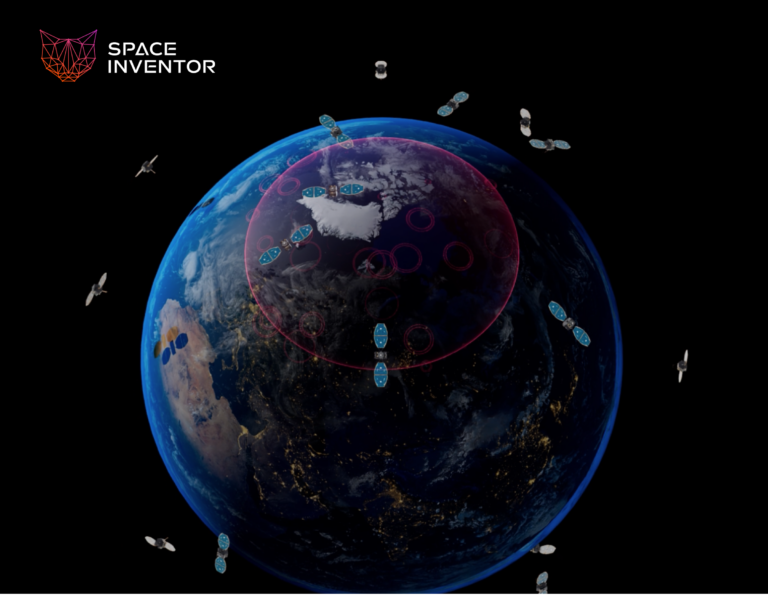
India’s TakeMe2Space sets sights on 50-kilowatt data center

COLORADO SPRINGS – After announcing a $5 million seed round in January, Indian startup TakeMe2Space seeks to raise $55 million to establish a 50-kilowatt orbital data center. “What is key for us is to demonstrate that we can play the orbital data center game globally,” TakeMe2Space founder Ronak Kumar Samantray told SpaceNews. “There’s a lot […] The post India’s TakeMe2Space sets sights on 50-kilowatt data center appeared first on SpaceNews.

A student-led experiment sets new limits in the search for axions

In the era of precision cosmology, research often means big science: large observatories, highly complex instruments, international collaborations and substantial funding. Yet even in such an advanced field, progress is still possible—including in the search for elusive dark matter—through more agile approaches, driven by small teams and young researchers, supported by institutions and a good dose of ingenuity.