Using the same planet-hunting techniques as Earth astronomers, would inhabitants of a planet hundreds of light-years away be able to detect Earth? Or would the gas giants overpower their observations?
Michael O’Mara
Melbourne, Australia
The answer is no, our current planet-hunting techniques are unable to detect an Earth — specifically, an Earth-size and Earth-mass planet in an Earth-like orbit around a Sun-like star.
We are close, though. NASA’s retired Kepler space telescope was built to find transits of another Earth. In principle, it had the photometric precision to do so — that is, the sensitivity to measure the tiny drop in a star’s brightness as an orbiting Earth-size planet passed in front of it. In practice, Sun-like stars turned out to be more variable in brightness than previously recognized. This proved to be a limiting factor, preventing a clean detection of true Earth analogues.
A different technique, radial velocity — the ground-based telescope method of measuring how a star “wobbles” as an orbiting planet tugs it this way and that — now has instruments with the sensitivity required to detect an Earth. However, stellar variability from spots, granulation, and other surface effects produces noise at levels that cannot yet be fully removed. The Earth signal is simply too small.
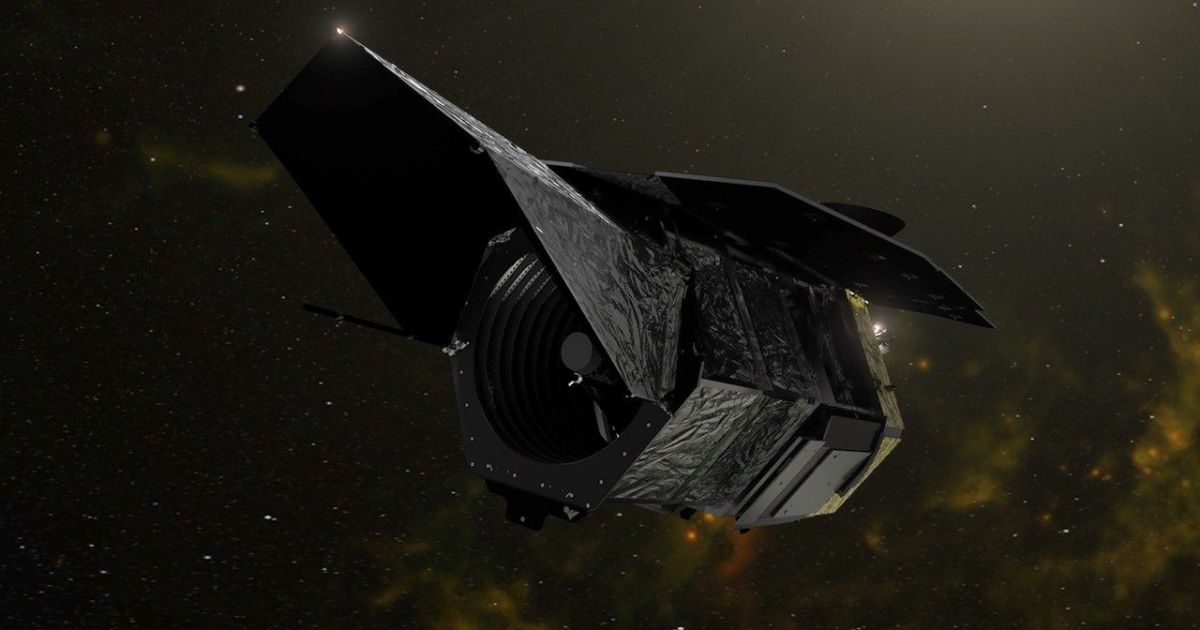
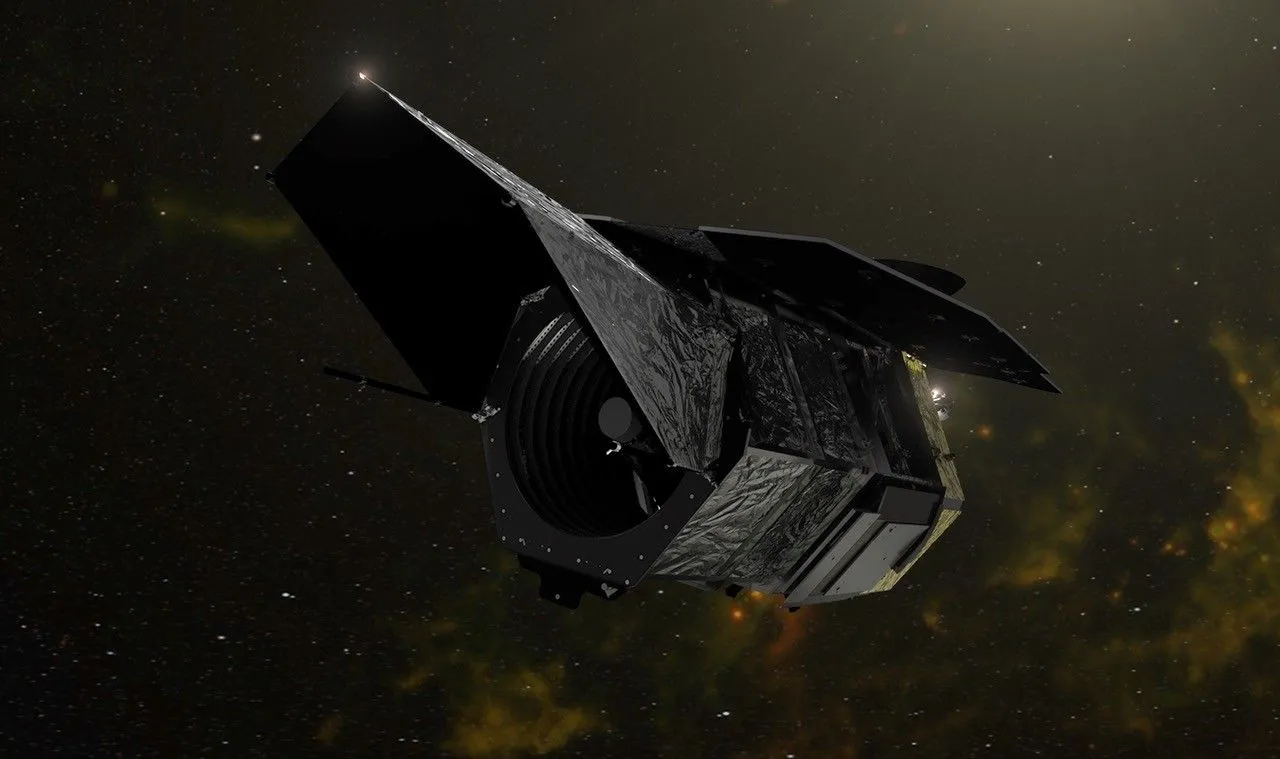
NASA’s Nancy Grace Roman Space Telescope (launched Aug. 30, 2026), will use yet another technique: gravitational microlensing. This occurs when a nearby star with a planet passes in front of a more distant background star. The foreground system acts as a lens, temporarily magnifying the light from the background star. Both the lens star and its planet have an effect, allowing us to spot the planet around the nearer star. Roman will conduct a planetary census of stars roughly halfway between us and the center of the Milky Way. Microlensing is so sensitive that it can detect Earth-mass planets at Earth-like orbital distances, provided the lensing geometry is favorable.
Giant exoplanets do not “overpower” the observations in the sense of hiding Earth. Rather, the issue is that Earth’s signal is intrinsically tiny — small mass, small size, and extremely faint compared to its adjacent Sun-like host star.
Sara Seager
Professor of Planetary Science, Professor of Physics, and Professor of Aerospace Engineering, MIT
About the Author

![[Aggregator] Downloaded image for imported item #87090](https://astrobitica.com/wp-content/uploads/2026/09/image-4-768x403.png)