This post was originally published on this site.
25/09/2026
24 views
0 likes
The European Space Agency (ESA), Italy’s Museo Galileo – Institute and Museum of the History of Science, and the European Commission (EC) have partnered to uncover the surprising and far-reaching connections between the pioneer astronomer Galileo Galilei and Europe’s satellite navigation system Galileo.
Galileo Galilei’s discoveries in astronomy, physics and time measurements fundamentally influenced the development of navigation. His observations of Jupiter’s four largest moons ultimately inspired a technique used by cartographers to determine longitude while his advancements in physics, timekeeping and scientific instrumentation laid the groundwork for more accurate navigation.
Galilei’s impact continues to this day, with modern satellite navigation science and technology resting on this foundation. In tribute to the famous Italian scientist, the European Union named its satellite navigation system Galileo.
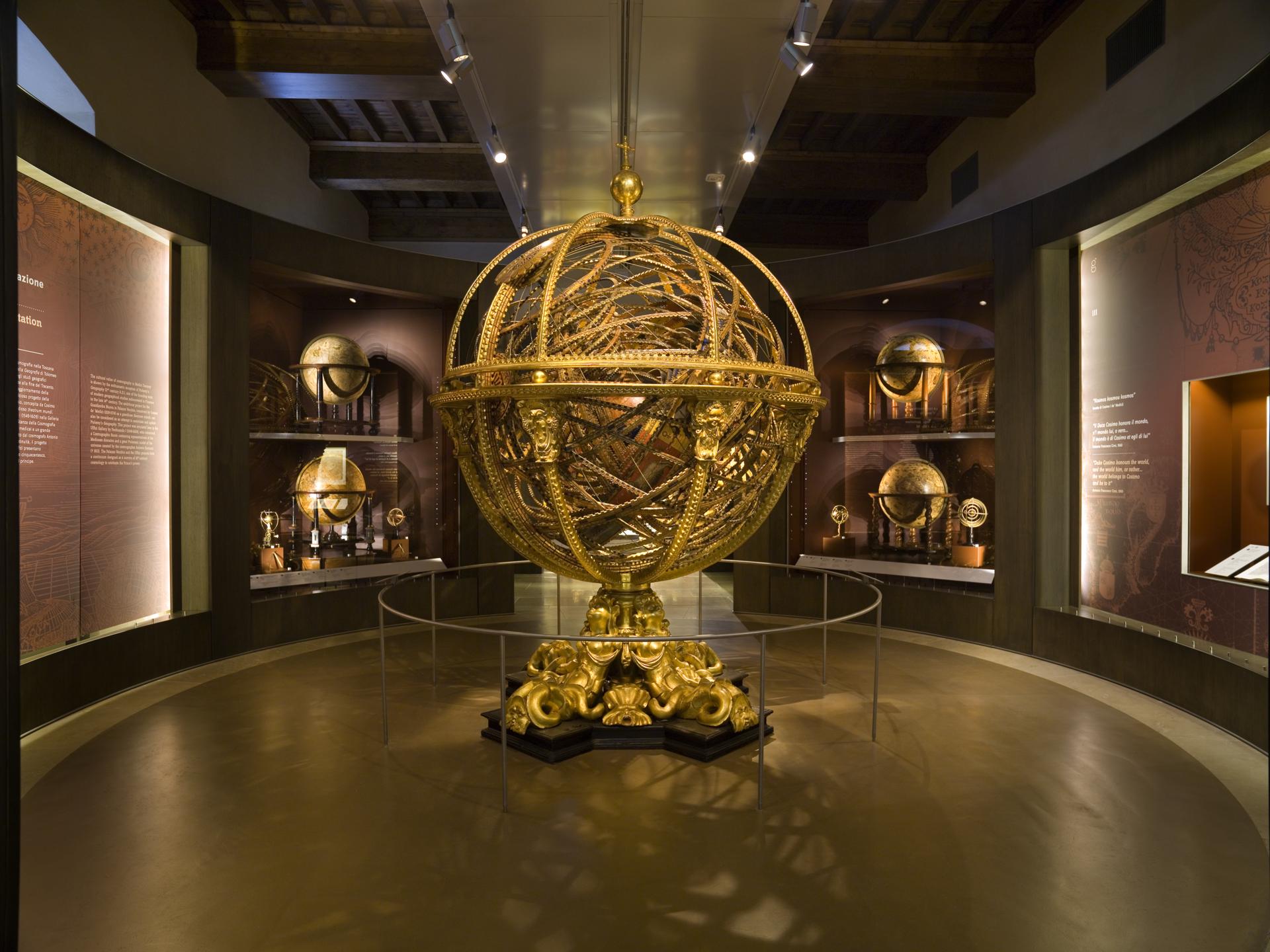
Now, to further the link between the scientist and the system that bears his name, ESA and the Commission have partnered with Museo Galileo, an institution dedicated to the research, documentation and dissemination of the history of science, for an exceptional exhibition.
Conceived as a journey between past and future, it will take visitors from Galileo Galilei’s first observations of the cosmos to today’s most precise satellite navigation system, highlighting how space applications shape our daily lives.
On 25 June 2026, Javier Benedicto, ESA Director of Navigation at the time, and Roberto Ferrari, Museo Galileo Director, signed an agreement to develop the exhibition, which is set to open in December 2027.
“With this partnership we aim to highlight how Galileo, both the scientist and the satellite system, are profoundly connected, and how centuries of scientific progress stemming from Galileo Galilei’s intuition coalesced in a navigation system that serves European society, economy, science and security” said Benedicto.
“What is our place in the world? The exhibition project developed with ESA and the Commission tells the story of a puzzle that for centuries has attracted the attention of philosophers and scientists and that with Galileo reaches a turning point. It is the story of an idea that after four hundred years becomes reality. This collaboration is a unique opportunity to present to European and international citizens how satellite navigation has deep roots in history and a great impact on everyday life,” added Ferrari.
“The satellite navigation system Galileo is a flagship example of how Europe’s scientific heritage continues to shape world‑leading technology and infrastructure. Galileo underpins the EU’s economy and delivers tangible benefits to billions of citizens every day,” said Timo Pesonen, the European Commission’s Directorate-General for Defence Industry and Space (DEFIS).
Jointly curated by the three entities and their industrial partners, the exhibition will trace a fascinating journey through the history of science, combining original instruments, documents and objects from the museum’s collection, exclusive audiovisual productions, interactive experiences, alongside technological equipment and models contributed by ESA.
About Galileo
Galileo is currently the world’s most precise satellite navigation system, serving billions of users around the globe since entering Open Service in 2016. All smartphones sold in the European Single Market are guaranteed Galileo-enabled. In addition, Galileo is making a difference across the fields of rail, maritime, agriculture, financial timing services and rescue operations.
The Galileo programme is managed and funded by the European Commission under the EU Space programme. ESA leads the design, development and qualification of the space and ground systems. ESA is also entrusted with research and development activities for the future of Galileo within the EU programme Horizon Europe. The EU Agency for the Space Programme (EUSPA) acts as the service provider, bringing the satellites into service and overseeing their operation and the market and application needs.
For more info about Galileo: https://www.usegalileo.eu/EN/
About the Author