Skip to content
cropped-file_000000006f5071f8aedc20be6316bf97.png

Astronomy • Exploration • Strategy

Primary Menu
  • Home
  • Podcast
  • Infographics
  • About
  • Contact
Light/Dark Button
Subscribe
  • Home
  • Astronomy.com
  • Sept. 8, 2016: OSIRIS-REx launches
  • Astronomy.com

Sept. 8, 2016: OSIRIS-REx launches

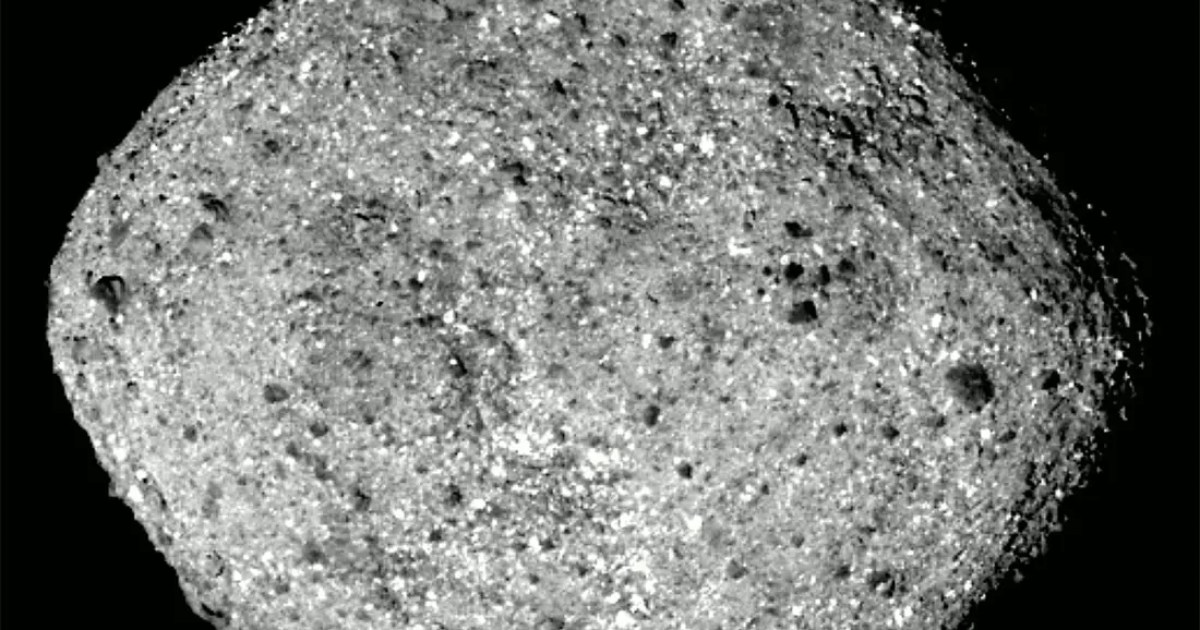
Asteroid Bennu was selected for NASA’s OSIRIS-REx sample-return misison in part because it was believed to be rich in the materials needed for life. Credit: NASA On Sept. 8, 2016, the Origins, Spectral Interpretation, Resource Identification, and Security – Regolith Explorer (OSIRIS-REx) mission launched from Cape Canaveral, setting off on its 4.4-billion-mile (2 billion kilometers) journey to asteroid Bennu. About the size of an SUV, the OSIRIS-REx spacecraft carries several cameras, an altimeter used to
Astrobitica 08/09/2026 (Last updated: 08/09/2026) 2 minutes read
Arrival bennu full rotation
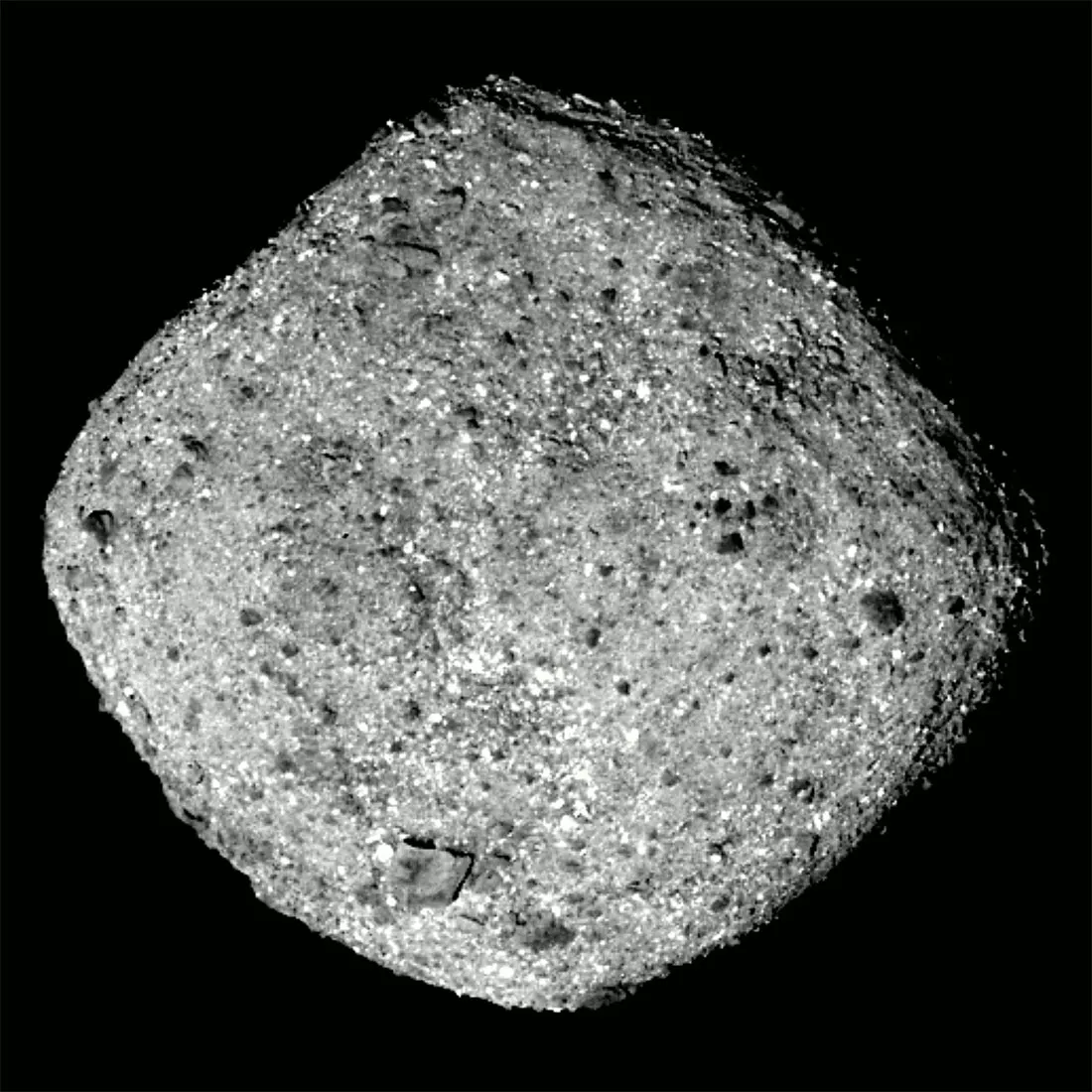
A monochrome, close-up photograph shows a diamond-shaped asteroid with a rough, gravel-like surface centered against a solid black background. Bright, direct lighting highlights thousands of tiny, reflective grey and white specks interspersed with dark, pitted shadows and scattered boulders. High contrast emphasizes its jagged, rounded perimeter and uneven, rubble-covered terrain.

Asteroid Bennu was selected for NASA’s OSIRIS-REx sample-return misison in part because it was believed to be rich in the materials needed for life. Credit: NASA

On Sept. 8, 2016, the Origins, Spectral Interpretation, Resource Identification, and Security – Regolith Explorer (OSIRIS-REx) mission launched from Cape Canaveral, setting off on its 4.4-billion-mile (2 billion kilometers) journey to asteroid Bennu. About the size of an SUV, the OSIRIS-REx spacecraft carries several cameras, an altimeter used to create maps of Bennu, and an arm that would be used to retrieve Bennu’s rock and dust. Scientists hoped that the sample-return mission, the U.S.’s first to an asteroid, would provide clues to the origin of life on our planet – the presence of life-supporting elements would suggest that the ingredients for life were widespread in the early universe.

OSIRIS-REx reached Bennu on Dec. 3, 2018, collected its sample on Oct. 20, 2020, and on Sept. 24, 2023, delivered a capsule holding the sample to Earth. Analysis is ongoing, but has found materials necessary for life. After its Bennu sample transport was complete, the OSIRIS-REx spacecraft (now renamed OSIRIS-APEX) set off on a new mission, this time heading for asteroid Apophis. It is expected to arrive in 2029.


Elisa Neckar is senior production editor of Astronomy magazine, and the editor of the Today in the History of Astronomy feature on Astronomy.com.

About the Author

Astrobitica

Administrator

Visit Website View All Posts

This post was originally published on this site

Post navigation

Previous: The rise of ‘quantum gravity?’ Einstein’s theory seen in the quantum realm for 1st time
Next: A New Mission Could Rendezvous With Halley’s Comet In 2061

Related Stories

Titan in false colour seen during close fly by
  • Astronomy.com

Oct. 26, 2004: Cassini at Titan

Astrobitica 26/10/2026 0
Hunters moon 2
  • Astronomy.com

The Sky Today on Monday, October 26: Observe the October Hunter’s Moon

Astrobitica 26/10/2026 0
[Aggregator] Downloaded image for imported item #61114
  • Astronomy.com

Oct. 25, 1671: Iapetus is discovered

Astrobitica 25/10/2026 0

Download the Astrobitica Night Sky Guide for FREE!

Copyright © 2026 All rights reserved. | ReviewNews by AF themes.